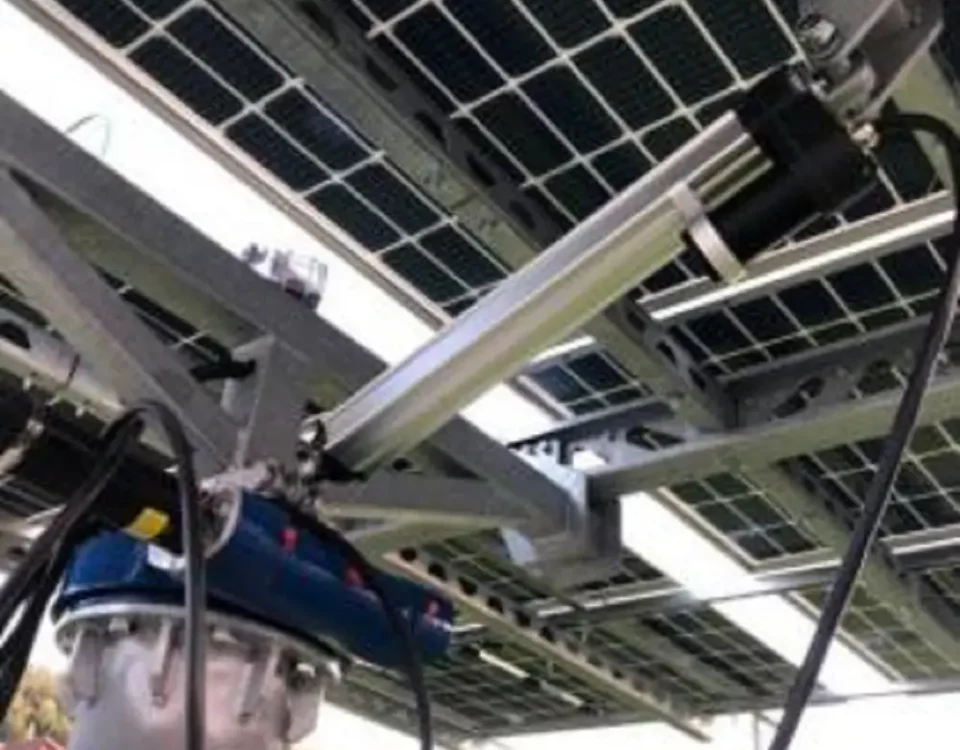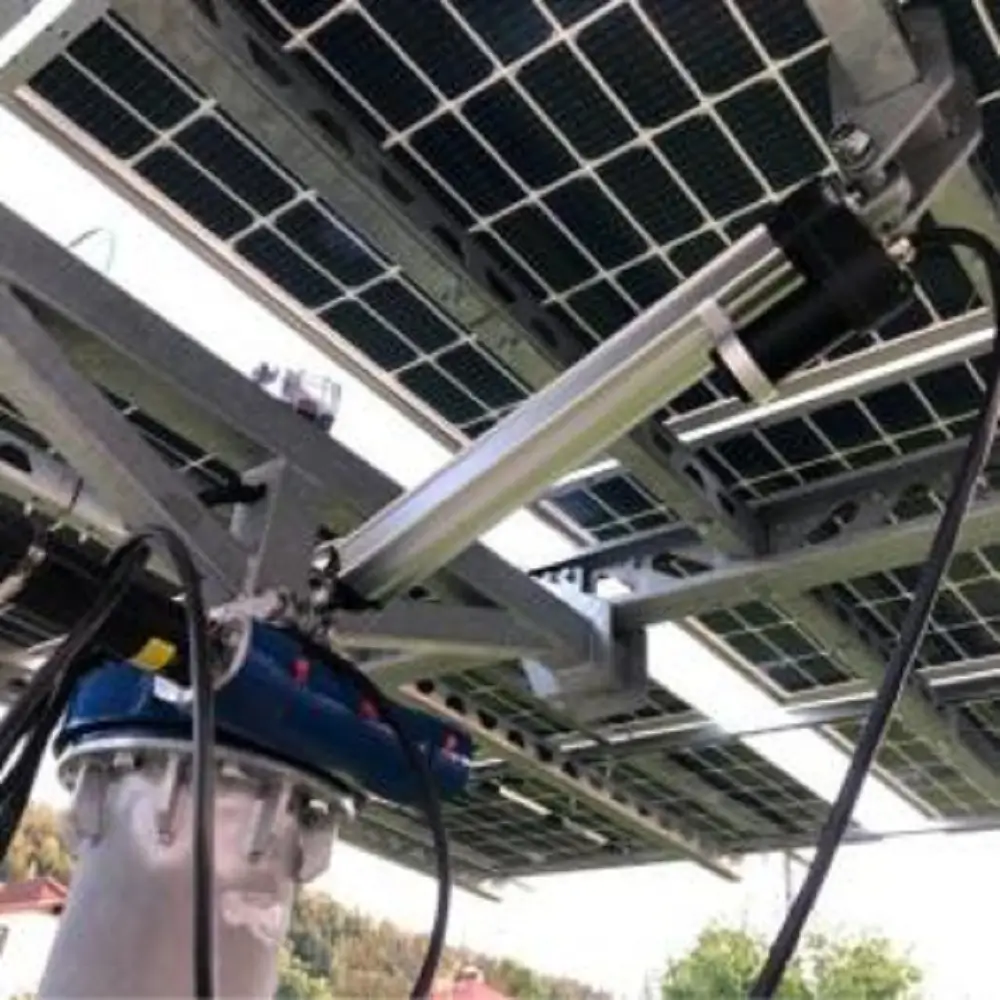
12KN linear actuators for solar panel array

Why are electric lift tables popular
What Is Linear Actuator: Definition, Types, and Applications
A Linear Actuator is a device that creates motion in a straight line, as opposed to rotational motion. Understanding What Is Linear Actuator is essential for engineers, designers, and industrial users.
Linear actuators are widely used in automation, robotics, manufacturing, and daily appliances because they efficiently convert energy into precise linear movement.
How Linear Actuators Work
Basic Working Principle
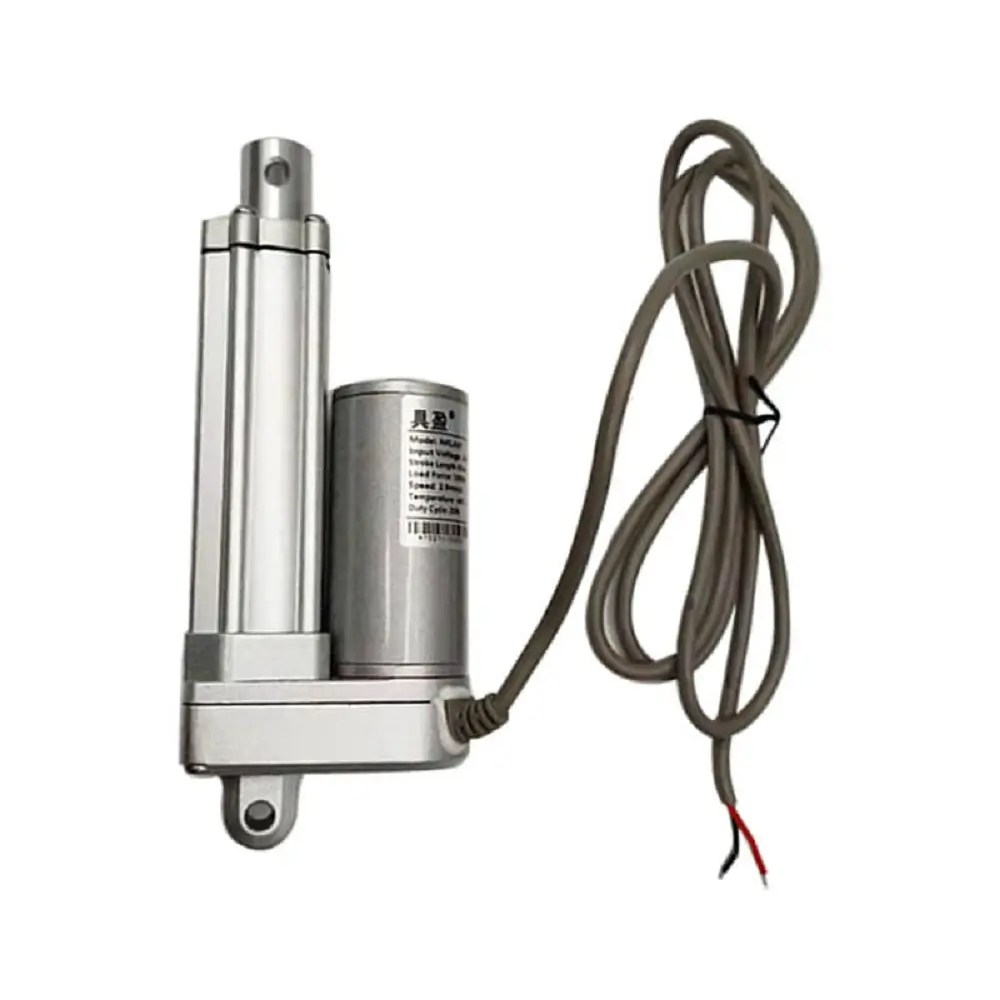
A Linear Actuator works by converting energy—electric, hydraulic, or pneumatic—into linear motion. This allows precise control of movement in machines, doors, windows, or industrial equipment.
Components of a Linear Actuator
Typical components include a motor, lead screw or piston, and guidance system. The combination of these parts ensures smooth and controlled linear motion.
Types of Linear Actuators
Electric Linear Actuators
Electric Linear Actuators use an electric motor to drive linear motion. They are popular for their precision, ease of control, quiet operation, and low maintenance. Common applications include medical beds, solar trackers, and industrial automation.
Hydraulic Linear Actuators
Hydraulic Linear Actuators use pressurized fluid to generate motion. They offer high force output and are suitable for heavy-duty industrial applications such as lifting platforms and construction machinery.
Pneumatic Linear Actuators
Pneumatic Linear Actuators use compressed air to produce movement. They are lightweight, fast, and commonly used in packaging, assembly, and pick-and-place automation systems.
Applications of Linear Actuators
Industrial Automation
Linear Actuators are widely used in production lines, robotic arms, and automated machinery, providing reliable and precise movement.
Office and Residential Use
Linear actuators are also applied in standing desks, adjustable beds, and smart windows, improving ergonomics and comfort in everyday life.
Specialized Engineering Projects
They are integral in laboratory equipment, solar panel trackers, and other precision machinery where controlled linear motion is required.
Key Advantages of Linear Actuators
Precision and Control
Linear actuators allow accurate positioning and repeatable motion, which is critical in industrial and medical applications.
Versatility and Customization
They can be adapted for various loads, speeds, and stroke lengths to meet specific project requirements.
Reliability and Safety
Modern actuators include features such as overload protection, limit switches, and automatic stop functions to prevent accidents and equipment damage.
Conclusion — Why Understanding Linear Actuators Matters
Knowing What Is Linear Actuator and its types helps engineers, project managers, and end-users choose the right actuator for their applications. Whether for industrial automation, medical equipment, or smart home devices, Linear Actuators provide precise, reliable, and efficient linear motion solutions.