NKCB12 synchronous controller control box
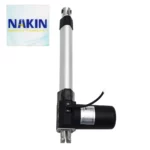
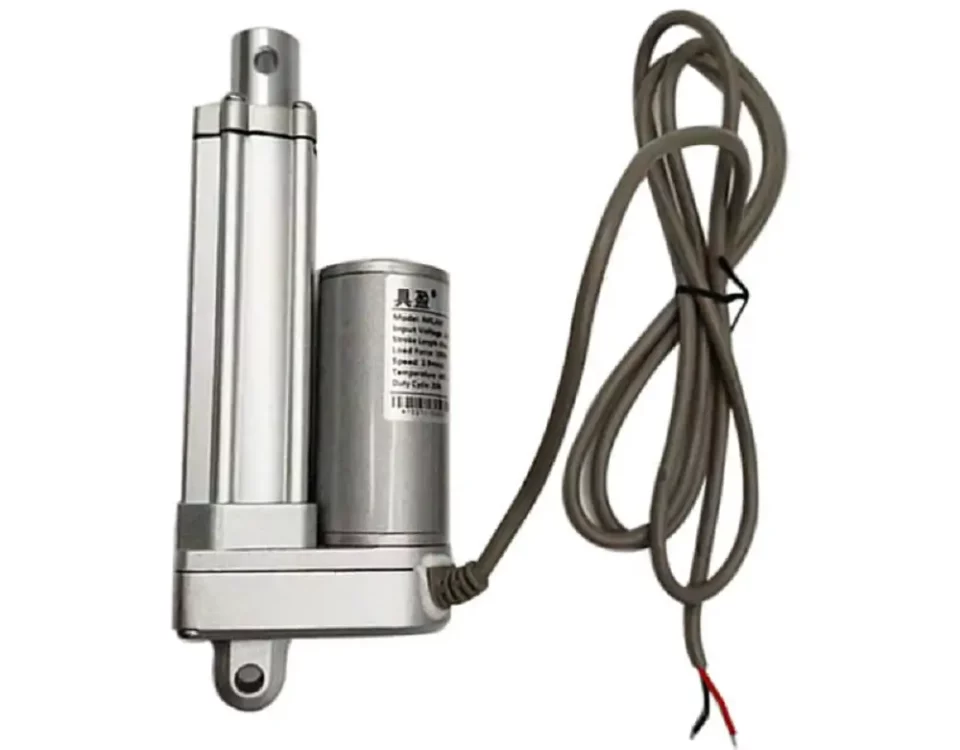
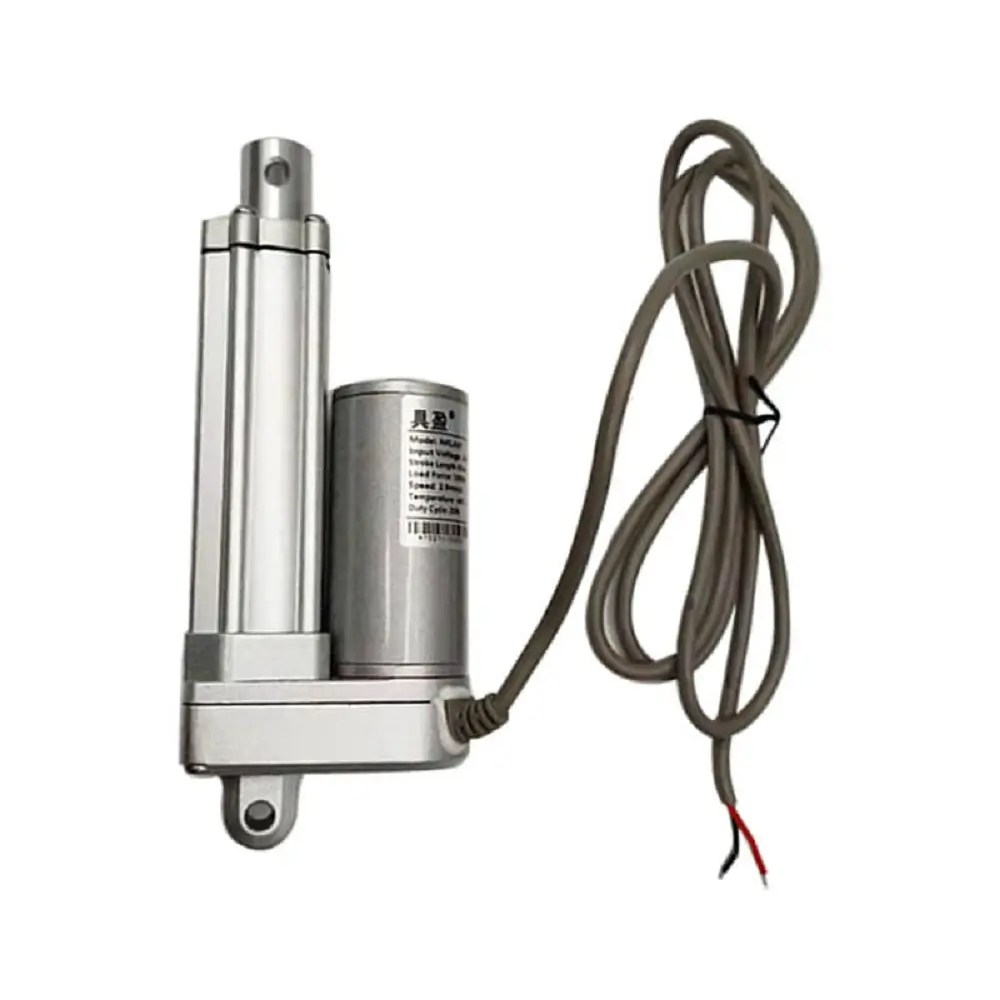
high speed waterproof linear actuator
Electric Actuators in Solar Energy: Wide Applications and Benefits
What Are Electric Actuators in Solar Energy?
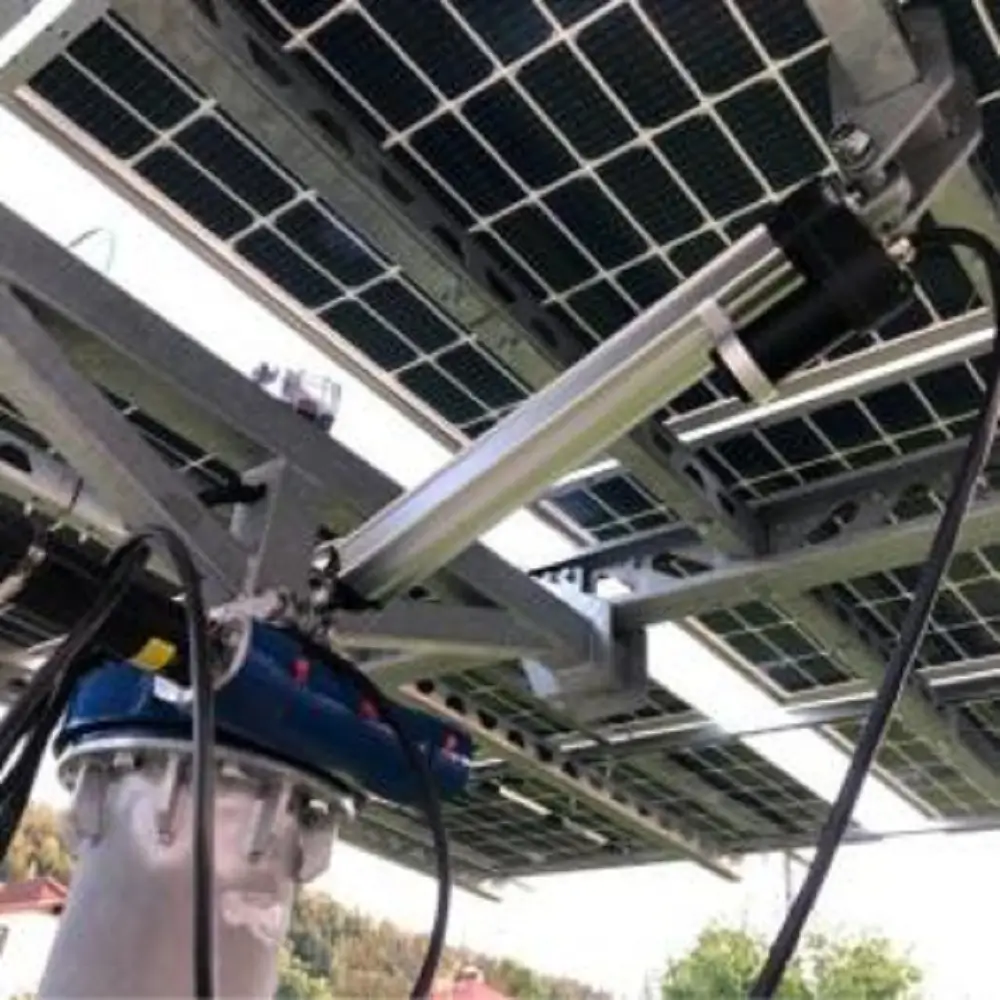
Electric actuators in solar energy systems are devices that convert electrical energy into controlled linear or rotary motion, playing a key role in automation and performance optimization. In modern photovoltaic and solar thermal installations, electric actuators enable dynamic movement such as solar tracking, panel positioning, and system adjustment to maximize sun exposure and energy yield.
Why Use Electric Actuators in Solar Energy Systems
Using electric actuators in solar energy systems brings precise motion control, robust reliability, and long-term performance. Solar installations often require movement in harsh outdoor environments, and electric actuators are designed to meet these challenges with high IP protection, low maintenance needs, and automation compatibility. This enhances overall system efficiency and reduces operational costs.
Key Applications of Electric Actuators in Solar Energy
Solar Tracking Systems
One of the most common applications of electric actuators in solar energy is in solar tracking systems. Actuators enable solar panels to follow the sun’s path throughout the day. By adjusting panel angles precisely, tracking systems significantly increase energy capture compared to fixed installations.
Solar Panel Positioning and Adjustment
Electric actuators help adjust solar panel position based on seasonal sun angle changes or site-specific conditions. This flexibility ensures panels operate at optimal angles year-round, boosting solar energy production.
Solar Thermal System Control
In concentrated solar power (CSP) and solar thermal plants, electric actuators control mirrors, reflectors, and valves. These systems require precise movements to maintain focus on receivers or optimize thermal transfer, and high-performance actuators deliver accurate and repeatable motion.
Technical Benefits of Electric Actuators for Solar
Precision and Repeatability
Electric actuators in solar energy offer precise motion control and repeatability, which is essential for tracking and alignment systems. Accurate adjustment helps solar panels maintain optimal exposure throughout variable environmental conditions.
Weather Resistance and Durability
Many electric actuators used in solar environments feature high IP ratings and corrosion-resistant materials. This makes them suitable for outdoor use under sun, rain, and wind, ensuring longevity and reliable performance over time.
Integration with Automation and Control Systems
Electric actuators easily integrate with automation systems, sensors, and smart controllers. This enables real-time response to environmental data (sunlight, temperature, wind) and automated adjustments that improve solar energy efficiency.
Case Examples: Electric Actuators in Solar Projects
Photovoltaic Tracking Farms
In large-scale photovoltaic farms, electric actuators enable single-axis and dual-axis solar tracking systems. These automated mechanisms can increase energy yield by up to 25–35% compared with fixed-tilt systems.
Solar Thermal Power Plants
In solar thermal installations, electric actuators control mirror arrays and thermal receivers, ensuring that concentrated sunlight is accurately directed and efficiency is maximized.
As renewable energy continues to expand, the use of electric actuators in solar energy will grow stronger. Their ability to provide accuracy, durability, automation compatibility, and higher solar capture rates makes them essential components in both solar panel tracking and advanced energy systems.
Conclusion — The Future of Electric Actuators in Solar Energy
FAQ About Electric Actuators in Solar Energy
Electric linear and rotary actuators with appropriate load capacity and weather resistance are typically used for solar panel tracking systems.
Yes. Actuators with high IP ratings and corrosion-resistant materials are designed for long-term outdoor use in solar arrays.
Yes. By enabling optimal sun tracking and panel positioning, electric actuators help increase overall energy yield in solar installations.